
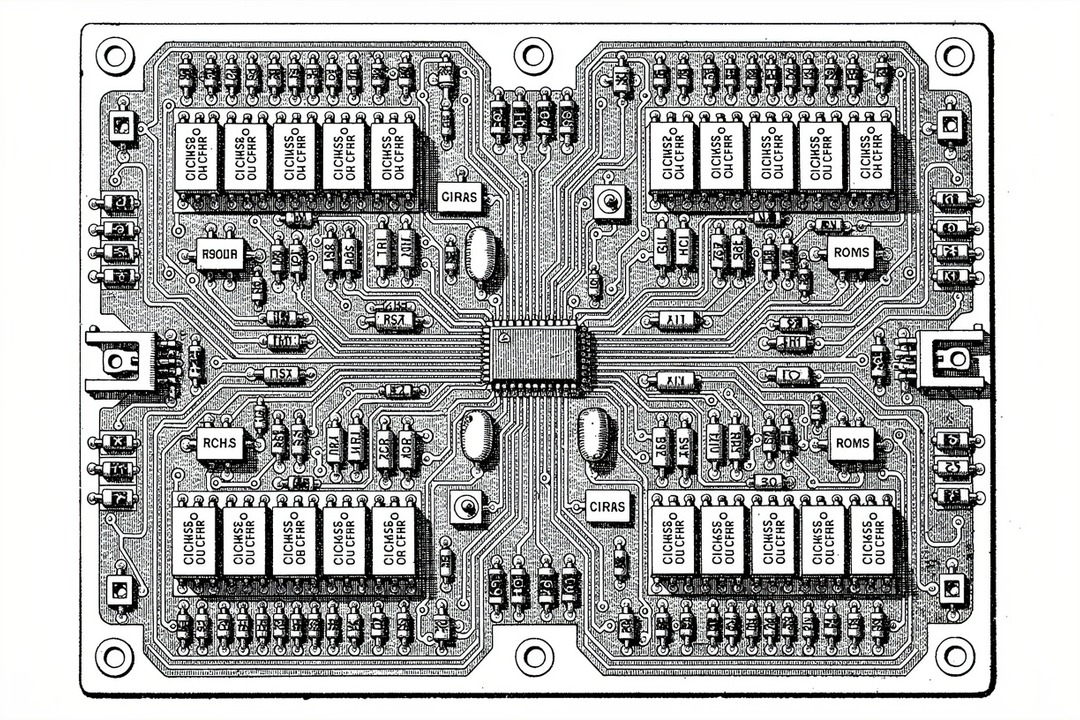
No todas las baterías de drones necesitan un BMS personalizado. Un circuito de protección básico cumple su función en plataformas simples. Pero a medida que los drones avanzan hacia aplicaciones profesionales, comerciales y reguladas, la diferencia entre un circuito de protección y un BMS adecuado determina si una misión se completa o se aborta. Este artículo explica la diferencia y le ayuda a decidir qué necesita realmente su plataforma.
PCM frente a BMS: la distinción básica
Estos dos términos se usan a menudo indistintamente. Sin embargo, no son lo mismo.
PCM (módulo de circuito de protección):
- Protección contra sobretensión, subtensión, sobrecorriente y cortocircuito
- Sin balanceo activo, sin medición de SoC, sin salida de comunicación
- Pasivo, bajo coste, bajo peso
- Adecuado para: plataformas simples, planeadores de ala fija, prototipos de desarrollo
BMS (sistema de gestión de batería):
- Todas las funciones de protección del PCM, más: balanceo de celdas, estimación del SoC, monitorización del estado de salud, monitorización térmica y una interfaz de comunicación
- Gestión activa durante la carga y la descarga
- Más complejo, más caro, más peso
- Adecuado para: drones profesionales, plataformas comerciales, cualquier aplicación que requiera precisión de indicador de carga o integración con el controlador de vuelo
La distinción importa. Los ingenieros que especifican «BMS» cuando quieren decir PCM terminan pagando por una complejidad que no necesitan. Los ingenieros que especifican PCM cuando necesitan un BMS chocan con un muro durante la integración. Ser preciso desde el principio reduce la deriva de alcance, los costes y las repeticiones.
Qué hace un BMS en un pack de batería de drone
Balanceo de celdas
Las celdas individuales de un pack no tienen una capacidad idéntica. Provienen del mismo lote, pero pequeñas variaciones de fabricación crean diferencias que se acumulan a lo largo de los ciclos.
Sin balanceo, la celda más débil limita todo el pack. El BMS corta la descarga en cuanto la celda más baja alcanza la tensión mínima, dejando energía utilizable atrapada en las celdas más fuertes. Con el tiempo, el desequilibrio crece y la capacidad utilizable cae más rápido de lo que debería.
El balanceo pasivo disipa la carga sobrante de las celdas fuertes como calor. El balanceo activo redistribuye carga de las celdas fuertes a las débiles. El pasivo es estándar y suficiente para la mayoría de las aplicaciones. El activo se justifica cuando los requisitos de vida útil en ciclos son extremos o el peso del pack impide usar resistencias de balanceo pasivo.
Resultado en ambos casos: más capacidad utilizable por ciclo y una vida útil de pack más larga.
Estimación del estado de carga (SoC)
Un PCM no ofrece salida de SoC. No sabe cuánta energía queda, solo reacciona a los límites de tensión.
Un BMS estima el SoC mediante conteo coulombimétrico, es decir, siguiendo la corriente que entra y sale del pack a lo largo del tiempo, combinado con corrección basada en tensión en puntos de referencia conocidos. Los BMS bien diseñados alcanzan una precisión de SoC del ±2 %.
Ese nivel de precisión es lo que requieren los disparadores de retorno automático. Si el SoC se equivoca en un 10 %, el dron aterriza prematuramente y aborta la misión, o descarga demasiado las celdas y no logra regresar. Ninguno de estos resultados es aceptable en operaciones comerciales o reguladas.
Monitorización térmica
La temperatura de las celdas afecta directamente tanto al rendimiento como a la seguridad. La capacidad cae en condiciones frías. La resistencia interna aumenta. En el otro extremo, las temperaturas elevadas aceleran la degradación y aumentan el riesgo de fuga térmica.
Las celdas NMC de mayor densidad energética suelen tener un margen térmico menor que las formulaciones de menor densidad energética. Un mayor contenido de níquel mejora la densidad energética pero estrecha el margen entre la temperatura de funcionamiento y la inestabilidad térmica. Un BMS con sensores térmicos cierra esa brecha: informa la temperatura del pack al controlador de vuelo, activa cortes antes de que las celdas alcancen temperaturas peligrosas y registra datos térmicos para el análisis posterior al vuelo.
Mínimo recomendado: un sensor térmico por grupo de celdas. Los packs con muchas celdas necesitan más cobertura, un solo sensor no capta la variación espacial en un pack grande.
Para operaciones por encima de 40 °C ambientales, o con tasas de descarga continua elevadas, la monitorización térmica no es opcional.
Interfaz de comunicación
Un BMS inteligente envía datos del pack en tiempo real al controlador de vuelo mediante UART, I²C, CAN o SMBus. El flujo de datos suele incluir: tensiones de celda, SoC del pack, corriente de carga/descarga, temperatura, número de ciclos e indicadores de fallo.
Estos datos permiten tres cosas:
- Monitorización del pack en tiempo real en la estación de control en tierra
- Comprobaciones previas al vuelo automatizadas, el controlador de vuelo puede negar el armado si el SoC está por debajo del umbral, la temperatura está fuera de rango o hay un indicador de fallo activo
- Registro para gestión de flotas, los datos por pack se almacenan en la aeronave y se cargan tras la misión
La interfaz de comunicación también determina la complejidad de integración. UART es sencillo de implementar. CAN es robusto en entornos eléctricamente ruidosos y estándar en sistemas derivados del sector automotriz. SMBus es habitual en implementaciones comerciales de baterías inteligentes. I²C funciona bien en distancias cortas con bajo ruido. Especifique la interfaz con antelación, el equipo de firmware del controlador de vuelo necesita saberlo antes de escribir la capa de integración de la batería.
Seguimiento del estado de salud (SoH)
El SoH mide cuánta capacidad original queda. Un pack nuevo al 100 % de SoH se degrada a lo largo de los ciclos de carga. La tasa depende de la química, la tasa de carga, la profundidad de descarga y el historial de temperatura.
Un BMS que sigue el SoH permite un mantenimiento predictivo. En lugar de reemplazar packs según un calendario de ciclos fijo, los operadores marcan los packs cuando el SoH cae por debajo de un umbral definido, típicamente el 80 %. Los packs que se han degradado más rápido de lo habitual se detectan antes de que causen un fallo de misión.
Para operadores de flotas con decenas o cientos de packs, los datos de SoH convierten la gestión de baterías de reactiva en mantenimiento planificado.
Qué significa «personalizado» en la práctica para un BMS
Un BMS personalizado no suele significar diseñar la placa de circuito desde cero.
Para la mayoría de las aplicaciones OEM de drones, personalizado significa:
- Seleccionar una plataforma BMS que se ajuste al formato del pack y al número de celdas
- Configurar umbrales de celda, parámetros de balanceo y protocolo de comunicación para el diseño de pack específico
- Integrar la salida de comunicación del BMS con el controlador de vuelo (MAVLink, DJI SDK, protocolo propietario)
- Validar el comportamiento del BMS frente a las características reales de las celdas del pack en condiciones de operación reales
Un diseño de hardware de BMS completamente nuevo tiene sentido en un conjunto reducido de casos: restricciones de forma muy específicas, protocolo de comunicación propietario, programas clasificados, o volúmenes lo bastante altos como para justificar los costes de ingeniería no recurrentes (NRE). Para la mayoría de los OEM de drones, ese umbral no se alcanza.
La respuesta correcta para la mayoría de los programas es una plataforma BMS configurable integrada en un pack personalizado. El trabajo de integración, umbrales, mapeo de protocolo, validación, es donde reside la mayor parte del valor de ingeniería.
Cuándo merece la pena un BMS personalizado
Sí, si:
- Su controlador de vuelo requiere datos de indicador de carga (SoC, tensión, temperatura) para la planificación de vuelo o los sistemas de seguridad
- Opera a temperaturas ambientales elevadas o a tasas de descarga continua altas donde la monitorización térmica es un requisito de seguridad
- Está construyendo una flota y necesita datos de registro por pack para la planificación de mantenimiento y reemplazo
- Su plataforma requiere conformidad con IEC 62133 o DO-160, ambos regímenes asumen que el pack cuenta con protección y monitorización adecuadas
- Su pack es de 6S o superior con celdas NMC de alta densidad energética, el desequilibrio de celdas y las consecuencias de una fuga térmica son graves con un número elevado de celdas
No, si:
- La plataforma es un prototipo de desarrollo o un vehículo de prueba interno
- El pack es de 4S o inferior con un perfil de descarga simple y bien conocido
- No se requiere comunicación con el controlador de vuelo
- El número de ciclos es bajo y el pack se reemplazará con frecuencia de todos modos
Si se encuentra en el límite, de 4S a 6S, uso comercial ocasional, plataforma comercial en fase temprana, la interfaz de comunicación es el factor decisivo. Si el controlador de vuelo no puede aprovechar los datos del BMS, el coste y el peso adicionales son difíciles de justificar. Si puede hacerlo, el beneficio de la integración se acumula a lo largo de la vida del programa.
Qué especificar al solicitar un BMS
Las especificaciones incompletas son la causa principal de las repeticiones de BMS. Facilite esta información a su proveedor desde el principio.
- Número de celdas (configuración serie x paralelo)
- Química de celda y tensión nominal: afecta a los límites de tensión de carga, los umbrales térmicos y los parámetros de balanceo
- Precisión de SoC requerida: ±2 % es el estándar para aplicaciones UAV profesionales
- Interfaz de comunicación: UART / I²C / CAN / SMBus, indique la versión del protocolo y la velocidad en baudios si se conoce
- Número y ubicación de los sensores térmicos: al menos uno por grupo de celdas, especifique las restricciones de ubicación dentro de la carcasa del pack
- Tipo de balanceo: pasivo (estándar) o activo (justificar con requisitos de vida útil en ciclos o de peso)
- Umbrales de corte: tensión mínima de celda, temperatura máxima de celda, corriente máxima de carga y descarga continua
- Restricciones físicas: dimensiones máximas de la placa de circuito del BMS, tipo y ubicación del conector, método de fijación
- Requisitos de registro de datos: qué parámetros deben almacenarse, capacidad de almacenamiento, método de acceso (USB, inalámbrico, a través del controlador de vuelo)
- Requisitos regulatorios: IEC 62133, DO-160 sección 16, UN38.3
Fije la interfaz de comunicación antes de que el diseño del pack sea definitivo. Adaptar un protocolo después de iniciada la integración es costoso y a menudo requiere cambios de firmware por parte del controlador de vuelo.
Decisiones clave: resumen
- Un PCM protege el pack. Un BMS lo gestiona. Las aplicaciones de drones profesionales necesitan gestión, no solo protección.
- Las tres funciones que aportan más valor a los OEM de drones: precisión de SoC del ±2 %, monitorización térmica con cobertura por grupo de celdas, y una interfaz de comunicación que el controlador de vuelo pueda utilizar.
- BMS personalizado significa configurar e integrar una plataforma existente. Un diseño de placa de circuito completamente nuevo es un programa aparte y de mayor envergadura.
- Los packs NMC de alta densidad energética que operan en 6S o superior necesitan monitorización térmica activa. El menor margen térmico deja menos margen de error.
- Un BMS correctamente especificado prolonga la vida útil del pack, reduce el riesgo de misión y produce datos de mantenimiento que se amortizan a lo largo de la vida útil de la flota.
Dan-Tech Energy fabrica packs de baterías de drones personalizados con BMS integrado, incluidas opciones de comunicación UART, CAN y RS485.
Use nuestra ToolBox para definir los requisitos de su pack, o explore el catálogo de packs de baterías para configuraciones estándar. Contáctenos con su plataforma de controlador de vuelo y los requisitos de su pack, y le recomendaremos la configuración de BMS adecuada para su aplicación.

.png)


