
Réponse rapide : « Pack de batterie conforme MIL-STD » n'est pas une spécification vérifiable. Les programmes aérospatiaux et de défense s'appuient en réalité sur trois normes distinctes et sans rapport entre elles : MIL-STD-810 (robustesse environnementale et mécanique), MIL-STD-461 (CEM/compatibilité électromagnétique) et MIL-STD-1275 (systèmes électriques de véhicules). Chacune est une famille de méthodes d'essai avec des niveaux ajustables, pas un certificat qu'un pack possède ou non. La norme applicable, et à quel niveau, dépend de l'environnement du pack : fixé sur une cellule d'aéronef, câblé sur un bus véhicule 24V/28V, ou fonctionnant dans un environnement dense en RF. La chimie de cellule fixe le plafond de ce qui est atteignable avant même que la conception du pack ne commence.
« Conforme MIL-STD » n'est pas une véritable spécification
Un maître d'œuvre, un appel d'offres, ou un ingénieur système au sein de votre propre entreprise inscrit « pack de batterie conforme MIL-STD » dans un document d'exigences. Cela sonne précis. Ce ne l'est pas.
MIL-STD-810, MIL-STD-461 et MIL-STD-1275 sont trois documents différents couvrant trois problèmes différents. MIL-STD-810 régit la robustesse environnementale et mécanique : température, vibration, choc, humidité, altitude. MIL-STD-461 régit les interférences et la compatibilité électromagnétiques : quel bruit l'électronique du pack impose à la plateforme, et combien d'interférence externe il doit tolérer. MIL-STD-1275 régit les systèmes électriques de véhicules : tolérance aux surtensions, aux chutes de tension et à l'ondulation sur des bus 24V/28V. Un pack qualifié selon l'une ne dit rien sur les deux autres.
Aucune des trois n'est un succès/échec au sens d'une homologation UL. Chacune est une famille de méthodes d'essai, et chaque méthode comporte plusieurs niveaux de sévérité que le bureau de programme choisit (ou « adapte ») pour correspondre à l'environnement opérationnel réel. Le principe d'adaptation propre à MIL-STD-810 (Life Cycle Environmental Profile, ou LCEP) existe précisément parce que « testé MIL-STD-810 » sans nommer la méthode et le niveau ne dit presque rien à un ingénieur. Un pack testé selon la méthode basse pression de 810 pour une application véhicule terrestre, et un pack testé selon la méthode altitude de la même norme pour une application aéroportée, sont tous deux techniquement « testés 810 ». Ils prouvent des choses entièrement différentes.
Il vaut la peine de comparer cela au modèle de certification commerciale sur lequel Dan-Tech fonctionne déjà. CE, UN 38.3, RoHS et IEC 62133 sont les normes que Dan-Tech prévoit projet par projet lorsqu'un projet l'exige, un ensemble de sécurité et de transport, pas un ensemble de durabilité ou de CEM. Chacune de ces normes remplit une fonction différente de n'importe quelle MIL-STD. Écrire « conforme MIL-STD » dans une spécification sans nommer une norme, une méthode et un niveau relève de la même catégorie de formule techniquement vide qu'écrire « certifié » sans préciser pour quoi.
Les trois normes, côte à côte
Avant que quoi que ce soit ne change dans la conception du pack, la première tâche consiste à identifier laquelle des trois normes régit réellement le programme, et quelles méthodes et niveaux spécifiques en son sein. Cela dépend de la plateforme et de l'environnement opérationnel, pas d'une hypothèse générale selon laquelle « militaire » signifie « les trois ».
MIL-STD-810 : environnemental et mécanique
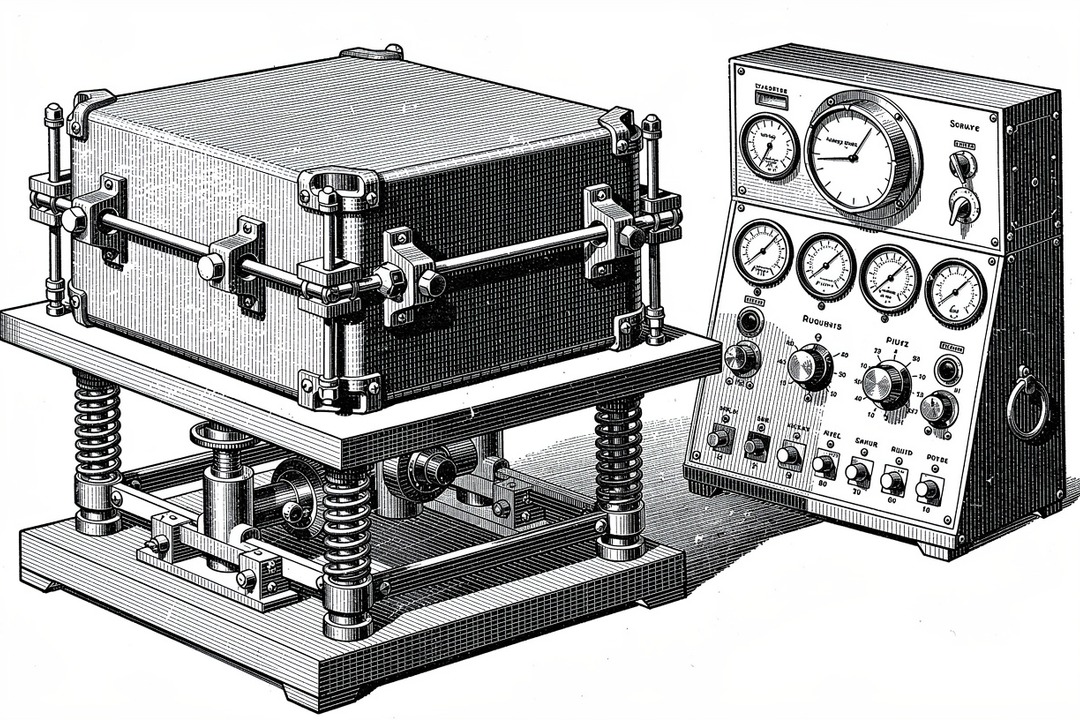
MIL-STD-810 est celle que la plupart des ingénieurs ont en tête quand ils disent « MIL-STD » sans préciser. Pour un pack de batterie, les méthodes qui comptent typiquement sont : 501/502 (stockage et fonctionnement à haute et basse température), 503 (choc thermique), 507 (humidité), 514 (vibration), 516 (choc et chute) et 500 (altitude et basse pression). C'est une norme de robustesse mécanique et thermique, un point c'est tout. Elle ne dit rien sur le bruit électrique ou le comportement d'un bus véhicule.
MIL-STD-461 : CEM
MIL-STD-461 régit les interférences électromagnétiques et la compatibilité électromagnétique. Pour un pack de batterie, les méthodes pertinentes sont typiquement CE102 et RE102 (émissions conduites et rayonnées, c'est-à-dire quel bruit le BMS et l'électronique de commutation du pack imposent à la plateforme) et CS101 et RS103 (susceptibilité conduite et rayonnée, combien d'interférence externe le pack doit tolérer sans dysfonctionner). Cette norme concerne le bruit, pas la température ni la vibration, et un pack ayant réussi toutes les méthodes 810 pourrait tout de même échouer nettement à 461 si la fréquence de commutation et l'agencement de son BMS n'avaient pas été conçus en tenant compte de la CEM.
MIL-STD-1275 : systèmes électriques de véhicules
MIL-STD-1275 a une portée plus étroite et n'est pertinente que lorsque le pack se charge à partir du bus électrique 24V ou 28V d'un véhicule, ou alimente directement ce bus. Elle définit la tolérance aux conditions de surtension, de chute de tension et d'ondulation sur ce bus. Un pack monté sur une plateforme qui ne touche jamais un bus véhicule, comme un pack boulonné dans une cellule d'aéronef ou une unité de communication autonome, n'a aucune raison de porter des exigences 1275.
| Norme | Ce qu'elle régit | Méthodes/niveaux typiques | Ce avec quoi elle n'a aucun rapport |
|---|---|---|---|
| MIL-STD-810 | Robustesse environnementale et mécanique | 501/502 (temp.), 503 (choc thermique), 507 (humidité), 514 (vibration), 516 (choc/chute), 500 (altitude) ; niveaux adaptés par programme (LCEP) | Bruit électrique, comportement du bus véhicule, sécurité du transport |
| MIL-STD-461 | CEM | CE102/RE102 (émissions), CS101/RS103 (susceptibilité) ; limites fixées par classe de plateforme | Température, choc, vibration, tolérance au bus véhicule |
| MIL-STD-1275 | Systèmes électriques de véhicule 24V/28V | Tolérance aux surtensions, chutes de tension, ondulation sur le bus véhicule | Tout ce qui n'est pas connecté au bus électrique d'un véhicule ; CEM ; exposition environnementale |
Appliqué aux cas d'usage : un pack monté sur plateforme dans un boîtier (drone, unité de communication fixe) relève principalement de 810. Un pack intégré au système d'alimentation d'un véhicule terrestre relève de 1275 en plus de 810. Un pack fonctionnant près d'équipements RF actifs, radars, brouilleurs, baies avioniques denses, relève de 461, qu'il soit monté sur plateforme ou intégré à un véhicule. La plupart des programmes réels nécessitent au moins deux des trois normes, et il vaut la peine de vérifier cette hypothèse avant d'inscrire par défaut les trois dans un document d'achat.
Ce qui change réellement dans le pack
Nommer la norme est la première étape. Ce qu'elle fait réellement à la conception du pack, et ce qu'elle coûte, c'est là que se trouve l'ingénierie.
Mécanique
Les méthodes de choc et de vibration de 810 (514, 516) orientent la conception du boîtier vers des composants internes plus proches de l'enrobage ou du revêtement conforme, une quincaillerie de montage classée vibration au lieu de fixations standard, et un choix de fixations et de couples de serrage qui tiennent sous vibration soutenue plutôt que de survivre à un simple test de chute unique. Le boîtier d'un pack commercial est conçu pour protéger les cellules et le BMS lors d'une manipulation normale. Un boîtier qualifié vibration est conçu pour maintenir chaque connexion interne intacte sur un profil de vibration défini pendant toute la durée de vie du programme.
Thermique
Les méthodes de température de 810 (501/502) étendent la plage de fonctionnement que le pack doit supporter, pas seulement la plage nominale propre de la cellule, mais aussi celle du BMS, des connecteurs et de tout composant d'enrobage à côté. Cela signifie généralement prévoir davantage de marge thermique à la fois au niveau de la cellule et du BMS, ce qui en pratique s'échange contre la capacité utilisable : un pack margé pour une plage de température plus large ne peut généralement pas être poussé aussi fort en haut de sa courbe de décharge qu'un pack conçu uniquement pour des conditions de laboratoire.
Blindage CEM
461 modifie le boîtier (efficacité de blindage, pas seulement résistance aux intempéries), les connecteurs (types de connecteurs filtrés ou blindés au lieu de connecteurs commerciaux ouverts), le cheminement des câbles (parcours blindés, surfaces de boucle contrôlées), et le BMS lui-même (choix de la fréquence de commutation et décisions d'agencement du circuit imprimé prises spécifiquement pour maintenir les émissions conduites et rayonnées sous les limites CE102/RE102 fixées par le programme).
Choix du connecteur
La gamme de connecteurs commerciaux de Dan-Tech, XT60, XT90, AS150U et Harting Han MPC30/MPC60 pour les variantes Smart BMS, fonctionne bien pour un pack de laboratoire, un système industriel, ou un programme qui n'a pas encore atteint d'exigence CEM ou vibration. Dès que la vibration (810) et la CEM (461) entrent toutes deux en jeu, la classe de connecteur doit typiquement évoluer vers quelque chose doté d'un mécanisme de verrouillage, d'une étanchéité environnementale et d'un blindage intégré au corps même du connecteur, les familles de connecteurs circulaires à verrouillage courantes dans le matériel de défense et d'intégration véhicule en général. C'est un schéma courant à l'échelle du secteur, pas une affirmation sur une référence précise que Dan-Tech stocke aujourd'hui ; le bon connecteur pour un programme relevant d'une MIL-STD est sélectionné et qualifié dans le cadre du périmètre propre à ce programme.
Protocole de communication du BMS
Un pack commercial communique typiquement via UART ou I2C, simple, peu coûteux, adapté à une intégration de laboratoire. Les packs Smart BMS de Dan-Tech prennent déjà en charge le bus CAN et le RS-485 en plus de l'UART, les mêmes interfaces plus courantes dans l'intégration véhicule et défense, où plusieurs systèmes partagent un bus et nécessitent une communication déterministe et résistante au bruit. Passer au CAN ou au RS-485 pour un programme relevant d'une MIL-STD signifie également que la documentation et la traçabilité que l'interface BMS doit porter augmentent : définitions de messages, comportement temporel et documentation des modes de défaillance qu'une liaison UART commerciale n'a jamais nécessitées.
Le choix de cellule fixe le plafond
Rien de tout cela ne fonctionne si la cellule sous-jacente ne peut pas physiquement survivre à l'enveloppe cible. La chimie et le format de cellule fixent un plafond de température, d'altitude et de vibration avant même que le pack qui l'entoure ne soit conçu, et c'est une décision prise au début d'un programme, pas fixée après coup.
La dispersion parmi les vraies options d'approvisionnement de Dan-Tech est réelle et compte ici. La cellule cylindrique Molicel M65A, autour de laquelle Dan-Tech construit les packs High Energy Density de la série M65A, est spécifiée pour une décharge jusqu'à -40 °C. La cellule cylindrique Amprius SA17, utilisée dans les packs de la série SA17 de Dan-Tech, est spécifiée à -20 °C sur la même métrique, un écart réel de 20 °C entre deux cellules du même format 21700 et d'une classe de densité énergétique similaire. La cellule cylindrique Reliance RS60, utilisée dans les packs de la série RS60 de Dan-Tech, partage le plancher de -40 °C de la M65A mais porte une coupure thermique à 80 °C en haut de plage, une limite dépendante de la charge issue des propres essais de débit de décharge de Reliance (sécuritaire en continu à 50A de décharge) plutôt qu'un simple plafond ambiant du même type que les planchers de -20 °C et -40 °C ci-dessus. Aucun de ces chiffres n'est meilleur ou pire dans l'absolu ; ce sont des contraintes qui correspondent, ou non, à l'enveloppe opérationnelle réelle d'un programme.
La Samsung INR21700-50S, sourcée aux côtés de la Molicel INR21700-P50B dans les packs Drone Series A de Dan-Tech, ne porte pas de chiffre de durée de vie en cycles publié indépendamment comme les cellules Amprius ; le chiffre fiable ici est le chiffre au niveau du pack (1 000 cycles à 80 % DoD, 25 °C), pas une affirmation autonome au niveau de la cellule. C'est une limite réelle qu'il vaut la peine de connaître avant qu'un programme ne s'appuie sur un chiffre précis au niveau de la cellule qui n'existe pas encore.
Les cellules fournies par le client changent ce calcul différemment. Dan-Tech peut construire le pack autour d'une cellule que le client sourcé et qualifie déjà, mais les propres données de la cellule, ou leur absence, déterminent ce que le pack fini peut effectivement être qualifié pour prouver. Une fiche technique mince ou non vérifiée plafonne la portée de qualification du pack, quelle que soit la qualité de la conception du pack lui-même autour de cette cellule.
Où la MIL-STD s'intègre dans le modèle de certification de Dan-Tech
CE, UN 38.3, RoHS et IEC 62133 sont les certifications commerciales que Dan-Tech prévoit sur un pack lorsqu'un projet l'exige. Pas « certifié sur étagère », car chaque pack Dan-Tech est fabriqué sur mesure, et la certification n'est pas quelque chose qui s'attache à une fiche de catalogue. Elle est définie et exécutée projet par projet, avec sa propre documentation, son propre temps d'essai et son propre coût, uniquement lorsque ce projet spécifique en a besoin.
La MIL-STD fonctionne de la même manière, un niveau au-dessus. C'est un travail de qualification supplémentaire, propre au projet, pas une case à cocher qui s'ajoute par défaut à la pile de certification standard. Un programme qui a besoin de la méthode 514 de MIL-STD-810 à un niveau de vibration spécifique verra cette méthode définie, testée et documentée pour ce programme. Ce n'est pas quelque chose qu'un pack « possède d'office ».
Ce qu'il est exact de dire : Dan-Tech définit et exécute la qualification MIL-STD projet par projet, selon le même modèle que UN 38.3 ou IEC 62133. Ce qui n'est jamais exact, et n'apparaîtra pas dans les propres supports de Dan-Tech : « nos packs sont certifiés MIL-STD » ou « packs conformes MIL-STD », point final, sans projet associé. Cette honnêteté doit valoir pour les trois normes, pas seulement pour celle (810) que le contenu concurrent aborde le plus souvent ; 461 et 1275 sont bien plus souvent omises, et les omettre ne rend pas l'affirmation plus exacte pour autant.
Une liste de vérification pour définir les exigences avant de spécifier
Avant que « conforme MIL-STD » n'entre dans un document d'achat, quatre points méritent d'être clarifiés d'abord :
- Quelle norme s'applique réellement, et quelles méthodes et niveaux spécifiques, pas le document entier par défaut. Déterminé par l'environnement opérationnel réel de la plateforme (aéroportée, intégrée à un véhicule, dense en RF), pas par l'hypothèse qu'un « programme de défense » signifie les trois normes à pleine sévérité.
- Ce que cela ajoute en coût et en délai une fois défini, par rapport à un pack commercial standard. Les essais de qualification, la documentation et toute substitution de composant (connecteurs, câblage) entraînent tous un temps et un coût réels qu'un pack de catalogue n'a pas.
- Si la chimie de cellule choisie plafonne déjà les niveaux atteignables, avant même que le travail de conception du pack ne commence. Un objectif de température ou d'altitude que la cellule elle-même ne peut pas supporter ne se résout pas par une meilleure ingénierie du pack.
- Quelle documentation la qualification doit produire, et qui la valide. Le propre système qualité d'un maître d'œuvre, un bureau de programme, ou une revue interne d'ingénierie système peuvent tous avoir des attentes documentaires différentes pour la même méthode d'essai.
Décisions clés
- MIL-STD, ce sont trois normes, pas une seule : 810 (environnemental/mécanique), 461 (CEM) et 1275 (systèmes électriques de véhicule). Nommer « MIL-STD » sans préciser l'une de ces trois n'est pas une spécification.
- La certification commerciale (CE, UN 38.3, RoHS, IEC 62133) est définie sur un pack projet par projet, tout comme la MIL-STD ; aucune des deux n'est une garantie de niveau catalogue. La MIL-STD est un périmètre projet additionnel qui vient s'ajouter aux certifications commerciales qu'un programme nécessite, pas une caractéristique de catalogue.
- La chimie et le format de cellule fixent le plafond atteignable de température, d'altitude et de vibration avant même que la conception du pack ne commence, que la cellule provienne de l'approvisionnement propre de Dan-Tech ou du client.
- La certification, y compris tout périmètre MIL-STD, est définie et exécutée projet par projet. Elle n'est jamais affirmée sur une page de catalogue, et cette conversation a lieu une fois les exigences réelles en main.
FAQ
Un « pack de batterie certifié MIL-STD » est-il une véritable catégorie de produit ?
Non. MIL-STD-810, -461 et -1275 sont des familles de méthodes d'essai avec des niveaux de sévérité ajustables, pas des certifications qu'un pack fini possède par défaut. Un pack est qualifié selon des méthodes et niveaux spécifiquement nommés pour un programme spécifique, pas « certifié MIL-STD » dans l'absolu.
Ai-je besoin de MIL-STD-810, -461 et -1275, ou d'une seule d'entre elles ?
Cela dépend de la plateforme. Un pack monté dans un boîtier sans connexion à un bus véhicule et sans environnement dense en RF peut n'avoir besoin que de 810. Un pack alimentant un bus véhicule 24V/28V ajoute 1275. Un pack fonctionnant près de radars, de brouilleurs ou de systèmes avioniques denses ajoute 461. La plupart des programmes réels nécessitent deux des trois, et vérifier cette hypothèse avant de supposer les trois économise à la fois coût et délai.
Quel est le rapport entre MIL-STD-810 et la validation de robustesse utilisée dans les packs de drones commerciaux ?
MIL-STD-810H fonctionne comme une référence de robustesse au-delà des programmes militaires, bien que seuls les packs de drones professionnels et tactiques soient couramment testés selon cette norme, pas les drones commerciaux en général ; voir comment les packs de drones professionnels sont souvent validés selon MIL-STD-810H pour voir comment la même norme apparaît dans un contexte UAV, à des niveaux adaptés différents de ceux qu'un programme de défense spécifierait.
Une exigence MIL-STD remplace-t-elle CE, UN 38.3, RoHS ou IEC 62133 ?
Non. Les exigences MIL-STD s'ajoutent à toute certification commerciale de sécurité et de transport dont un programme a besoin, elles ne s'y substituent pas. Un pack doit toujours répondre à ses exigences de transport et de sécurité, quel que soit le périmètre MIL-STD ajouté par-dessus.
Puis-je utiliser une cellule fournie par le client dans un pack relevant d'une MIL-STD ?
Oui, Dan-Tech construit régulièrement des packs autour de cellules fournies par le client. La propre fiche technique de la cellule, ou son absence, détermine ce que le pack fini peut être qualifié pour prouver, donc une cellule client peu documentée limite la portée de qualification, quelle que soit la conception du pack lui-même.
Combien coûte l'ajout d'une exigence MIL-STD à un pack ?
Cela dépend entièrement de la norme, des méthodes et des niveaux concernés, ainsi que de la documentation que la qualification doit produire. Il n'existe pas de chiffre fixe à citer de manière générique ; cela se définit par rapport à l'exigence réelle une fois qu'elle existe.
Ce que fait Dan-Tech : Dan-Tech Energy, fabricant de packs de batterie Li-ion sur mesure avec production en Allemagne et aux États-Unis, construit des packs avec des cellules provenant d'Amprius, Molicel, Reliance et Samsung, ou à partir des propres cellules fournies par le client. La certification, y compris tout périmètre MIL-STD-810, -461 ou -1275, est définie et exécutée projet par projet, jamais affirmée sur une page de catalogue.
Si votre programme comporte une exigence MIL-STD et que vous devez savoir ce qu'elle change réellement avant qu'elle n'entre dans un document d'achat, définissez les exigences de votre pack dans la ToolBox. Pour les familles de cellules et configurations de pack référencées dans cet article, consultez le catalogue de packs de batterie lithium-ion de Dan-Tech.

.png)


